- INNOVATION
- 6 Feb 2026
Why PFAS Rules Are Rewriting America’s Water Playbook
New EPA PFAS standards are pushing utilities to modernize treatment and reclaim local water supplies despite long timelines
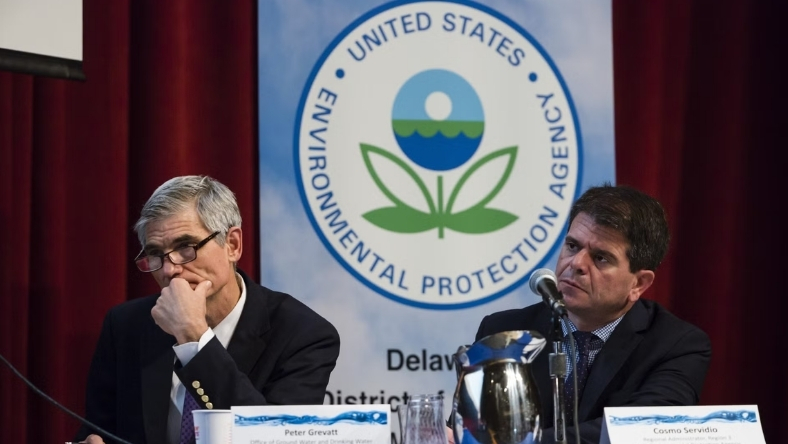
A quiet transformation is underway in America’s water systems. New federal limits on PFAS chemicals are nudging utilities to rethink how they protect drinking water, and the response is already reshaping infrastructure plans nationwide.
The EPA’s standards come with long compliance runways, in some cases stretching into the next decade. Yet many utilities are not waiting. Instead, they are moving ahead with treatment upgrades that promise both regulatory compliance and stronger local water supplies.
Southern California tells the story clearly. In Anaheim, PFAS contamination sidelined several groundwater wells years ago. Rather than lean more heavily on imported water, Anaheim Public Utilities invested in advanced PFAS treatment. The result was the revival of multiple wells and a more resilient supply mix. The lesson was simple. Acting early reduced long-term risk.
That mindset is spreading. Even with deadlines that extend to 2031, utilities across the country are accelerating projects. Proven treatment systems that can be installed quickly and expanded later are drawing the most interest. An industry analyst put it bluntly. Utilities need solutions that work now without locking them into costly overhauls later.
Engineering firms are feeling the surge. Companies like CDM Smith report rising demand for designs that fit into existing plants with minimal disruption. For utilities, that approach reduces construction headaches while keeping operations stable.
The benefits go beyond meeting federal rules. Reclaiming groundwater cuts dependence on imported water, which is often pricier and more vulnerable to supply shocks. In drought-prone regions, PFAS treatment is increasingly viewed as a resilience investment, not just a compliance exercise.
Uncertainty still hangs over the regulatory landscape. Legal challenges and policy debates could alter parts of the PFAS framework. Even so, state and federal funding programs have softened the financial blow and encouraged utilities to move forward.
Managing treated PFAS waste and ongoing operating costs remain real hurdles. But momentum is unmistakable. As more cities follow Anaheim’s lead, PFAS treatment is becoming a defining issue for the water sector, signaling a shift toward tougher standards and more self-reliant local systems.