- REGULATORY
- 26 Mar 2026
Courts Keep Four PFAS Rules From the Grave
A federal appeals court keeps MCLs for four PFAS compounds live, forcing utilities to hold course on treatment planning
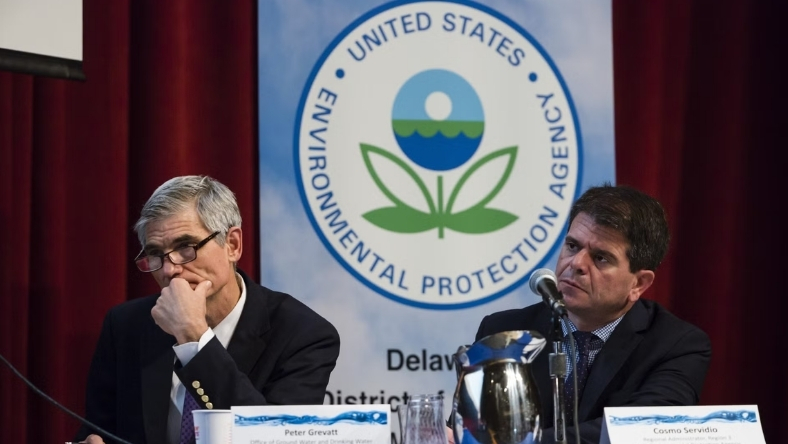
A federal appeals court has a message for the EPA: you cannot simply wish away a rule you dislike. On March 19th, the D.C. Circuit Court of Appeals rejected the agency's request to pause litigation challenging drinking water limits for four per- and polyfluoroalkyl substances, known as PFAS, keeping those standards legally intact while the broader case proceeds.
The EPA had sought to suspend the lawsuit, arguing it needed time to pursue an orderly process to rescind the four Maximum Contaminant Levels (MCLs) for PFHxS, PFNA, GenX, and PFBS. The current administration contends the limits, set under the 2024 Biden-era National Primary Drinking Water Regulation at ten parts per trillion each, were procedurally flawed. The court was unmoved. It was the second straight procedural loss for the agency: in January 2026, the same court declined to vacate the four MCLs outright, finding the legal questions too substantial for summary action.
That matters for utilities, which cannot responsibly defer investment in treatment systems while the limits remain in force. The compliance deadline for the four compounds has not been formally revised, even as the EPA separately extended deadlines for PFOA and PFOS to 2031. The message to water system operators is uncomfortable: plan for compliance costs that the federal government is simultaneously trying to eliminate.
The substantive battle ahead concerns the Safe Drinking Water Act's anti-backsliding provision, which bars the agency from weakening finalized drinking water protections. Environmental groups argue rescission would violate that clause outright. The court's willingness to hear the full case suggests that argument will receive serious scrutiny rather than polite dismissal.
Meanwhile, states are not waiting. Nearly 380 PFAS-related bills are active across 23 states in the 2026 legislative session, spanning discharge limits, biosolids testing, and product restrictions. The federal regulatory floor may be contested, but the overall direction of travel is not.
For utilities, the lesson is familiar: regulatory uncertainty is itself a cost. Those that hedge against compliance by deferring capital spending may find themselves racing against deadlines that arrive faster than expected. Waiting for Washington to resolve its contradictions has rarely been a reliable strategy for managing infrastructure risk.