- PARTNERSHIPS
- 17 Mar 2026
Florida’s Bold Plan to Kill PFAS for Good
Orlando strikes a historic deal with 374Water to incinerate PFAS on-site, turning a toxic liability into a national model for clean water
In the world of waste management, out of sight usually means out of mind. For decades, American water utilities have dealt with per- and polyfluoroalkyl substances, known as PFAS or "forever chemicals," by simply moving them around. They filter them out of the water only to dump the contaminated remains into landfills or incinerators. But as federal regulators tighten the screws, the "move it and hope" strategy is reaching its limit.
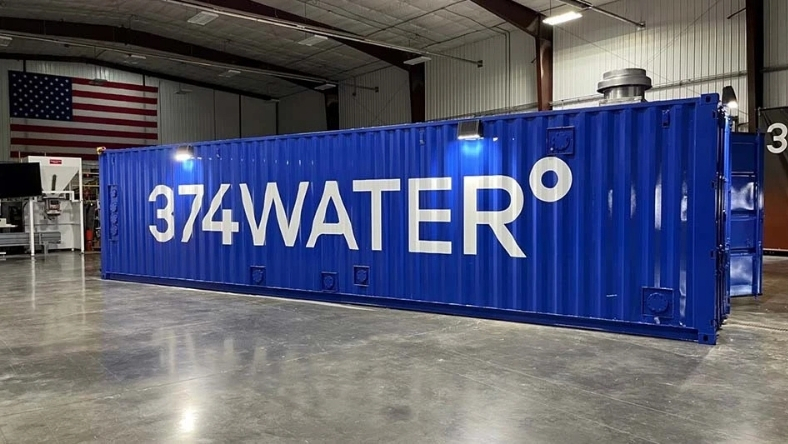
The city of Orlando is betting on a more terminal approach. On March 10th, 2026, it became the first American municipality to sign a commercial license for on-site PFAS destruction. The deal with 374Water, a technology firm, focuses on the Iron Bridge Regional Water Reclamation Facility. Rather than shipping sludge elsewhere, the city will use a process called supercritical water oxidation. By applying extreme heat and pressure, the system breaks the molecular bonds of these hardy chemicals, effectively unmaking them.
The shift from filtration to destruction is born of necessity. The Environmental Protection Agency is increasingly strict about limits for contaminants like PFOA and PFOS. Traditional methods, such as using carbon filters, are like catching dust with a sponge; eventually, the sponge itself becomes a toxic problem. 374Water claims its technology achieved "greater than 99.95% destruction of PFAS" during trials in Florida.
The arrangement is a classic public-private experiment. Orlando provides the site and the waste; the company provides the machinery. In a clever bit of financial engineering, the city will receive a share of the revenue generated from processing waste from third-party industrial and government clients. This turns a costly liability into a potential, if modest, asset.
However, the technology must now prove it can work at scale. While a second system is planned for Orange County, California, the water industry is notoriously slow to change. High energy costs and the complexity of maintaining high-pressure equipment often deter cash-strapped utilities. Yet, by eliminating the need to transport hazardous sludge across state lines, Orlando may have found a way to save money while saving the environment. If the pipes at Iron Bridge hold up, other cities may soon find that the best way to handle forever chemicals is to ensure they do not last forever.