- INVESTMENT
- 9 Feb 2026
State Funding Speeds PFAS Cleanup as Federal Rules Land
As EPA PFAS limits arrive, states are financing faster water treatment, easing costs for utilities and helping communities meet firm deadlines
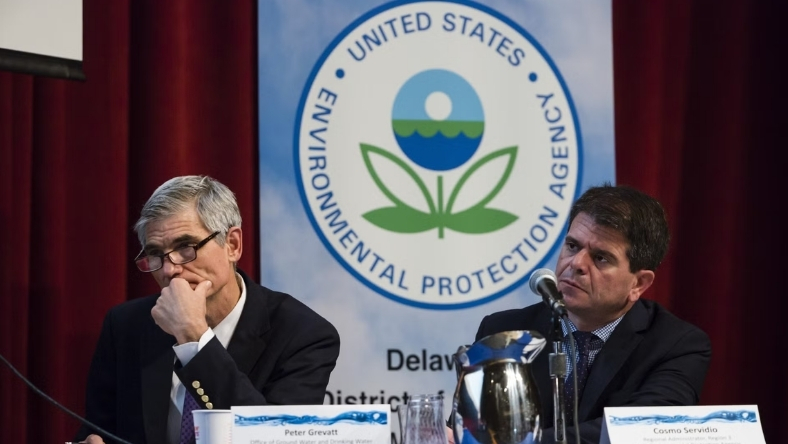
A quiet shift is changing how water utilities tackle PFAS contamination. In April 2024, the US Environmental Protection Agency finalized national drinking water standards for several PFAS compounds. For utilities, the rules brought clarity and pressure. Compliance clocks are now ticking.
States are stepping in to help utilities move faster.
The trend is clear in Pennsylvania, where Aqua Pennsylvania recently secured $16.9 million through PENNVEST, the state’s infrastructure financing authority. The funds will support PFAS treatment systems at multiple groundwater wells. Instead of patchwork fixes, the project points to coordinated, system-wide upgrades.
That approach matters. PFAS, often called forever chemicals, are widespread and expensive to treat. Utilities that operate dozens or hundreds of wells face costs that can balloon quickly. State programs that combine low-interest loans with partial loan forgiveness reduce risk and allow work to begin sooner. For customers, the payoff is safer water without abrupt rate hikes.
Pennsylvania is not alone. Across the country, states are leaning on revolving funds and similar tools to close the gap between federal rules and local realities. New Jersey, Michigan, and California are among those channeling state-backed financing toward PFAS projects, rather than waiting on federal dollars alone.
For Aqua Pennsylvania and its parent company, Essential Utilities, the award does more than fund construction. It helps establish a repeatable model. By treating PFAS as an ongoing operational challenge, not a one-time crisis, the company can scale solutions across its service areas as deadlines approach.
None of this removes the hard parts. PFAS systems require long-term operation and maintenance, and future rules could tighten further. Still, the direction is unmistakable.
State funding is turning regulatory pressure into forward motion. What once looked like a looming compliance problem is starting to resemble a push for modernization. For an industry under strain, that shift could make all the difference.