- INNOVATION
- 3 Dec 2025
SCWO Steps Into the Spotlight for PFAS Cleanup
Revive's SCWO tech eliminates PFAS in AFFF water and accelerates interest in true destruction methods
Supercritical water oxidation (SCWO), once a niche laboratory method, is starting to influence national plans to tackle toxic PFAS. Its rise comes after years in which utilities captured the chemicals only to ship the waste elsewhere, a costly loop with no clear end.
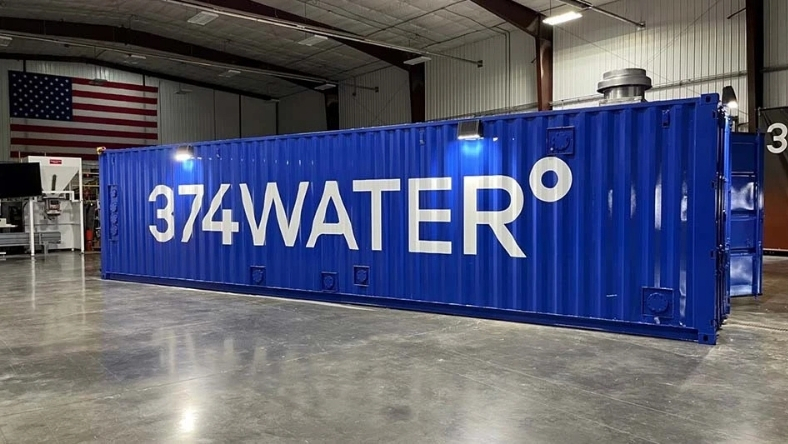
A recent field trial at Peterson Space Force Base gave the technology fresh momentum. Revive Environmental’s PFAS Annihilator treated firefighting foam waste and destroyed more than 99.99% of the compounds. For operators long stuck with filters that merely transfer the burden, the result looked like a rare breakthrough: a process that reaches a true end point by breaking the chemicals apart.
The timing matters. New federal limits on PFAS have taken effect, pushing water systems to find methods that offer compliance and long term certainty. SCWO remains far from common, but its performance in the field suggests a shift. As one federal adviser put it, “complete PFAS destruction is shifting from aspiration to workable reality.”
Research groups are responding. The National Institute of Environmental Health Sciences is supporting a wave of innovation in destruction tools, including new treatment systems from Enspired Solutions. These are not formal partnerships, yet the activity recalls earlier phases in environmental technology, when one clear advance drew rapid collaboration and early capital.
Still, barriers stand in the way. Smaller utilities may struggle with the cost of adoption. Scientists are also testing how SCWO handles different waste streams, which vary widely. Advocates warn that destruction technologies should complement, not replace, efforts to limit PFAS production at the source. Even so, industry sentiment is buoyant. Many now see SCWO as one of the most promising tools in reach.
As states tighten rules and federal scrutiny grows, demand for verified destruction methods is likely to rise. Developers of SCWO are attracting attention from large operators and infrastructure investors who see the method as a catalyst for the next phase of cleanup. If the momentum continues, SCWO could reshape how America confronts PFAS contamination.