- INNOVATION
- 11 Feb 2026
SCWO Advances in US PFAS Destruction Push
Select commercial deployments position SCWO as a rising option for permanent PFAS destruction amid tightening EPA standards
Supercritical water oxidation (SCWO), long viewed as an experimental method for destroying per- and polyfluoroalkyl substances (PFAS), is moving into early commercial use in the US as regulators tighten limits on the chemicals in drinking water.
Several recent projects suggest the technology is shifting from laboratory validation to field deployment, offering utilities and industrial operators a potential route to permanently eliminate concentrated PFAS waste streams rather than simply capture them.
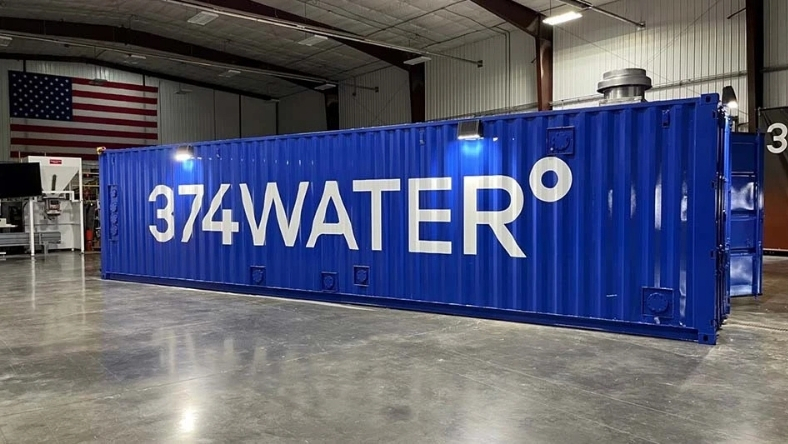
One milestone came when 374Water completed a large-scale PFAS destruction project under a US Department of Defense programme. The system processed concentrated materials including firefighting foam residues and spent filtration media during extended operations. Although detailed performance data have not been fully disclosed, the project marked a visible step towards validating SCWO under operational conditions.
Revive Environmental has also advanced its SCWO platform into permitted commercial service, focusing on landfill leachate and other PFAS-heavy waste streams. While such deployments remain limited, they indicate growing commercial interest and a willingness among early adopters to test destructive technologies at scale.
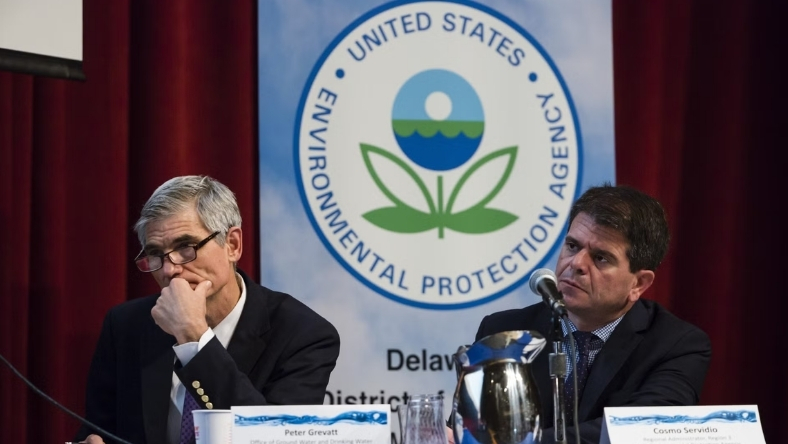
The renewed attention comes as the US Environmental Protection Agency introduces stricter PFAS limits in drinking water. Utilities have responded by expanding filtration and membrane systems that remove contaminants from water supplies. These processes, however, generate concentrated secondary waste that must be treated or disposed of safely.
Industry discussions are increasingly centred on how quickly scalable destruction technologies can be rolled out to manage this waste. Regulatory frameworks and technical guidance now reference destructive methods such as SCWO alongside established capture approaches. No single technology has been mandated, and most utilities continue to rely on a mix of treatment options.
Barriers remain. SCWO systems require significant capital investment, specialised infrastructure and consistent performance under high pressure conditions. As more field data become available, operators and regulators will assess whether the technology can deliver reliable results at commercial scale.
For now, SCWO appears to be entering a phase of evaluation and early commercialisation, as the US market for PFAS treatment broadens beyond containment towards permanent destruction.