- REGULATORY
- 4 Dec 2025
PFAS Proposal Rekindles the Race for Cleaner Tech
EPA’s plan to loosen PFAS reporting rules stirs scrutiny and fresh interest in treatment tools
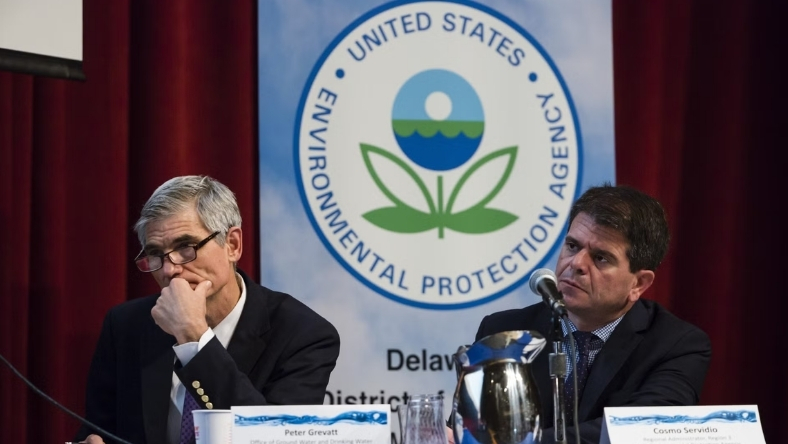
The US Environmental Protection Agency is considering changes to its PFAS disclosure rules that could ease reporting demands for companies using small volumes of the chemicals or importing PFAS-treated goods. The draft proposal has drawn swift attention from industry groups, researchers and technology developers, becoming one of the year’s most closely followed regulatory moves.
The potential exemptions mark a shift from earlier expectations of extensive documentation for PFAS, a group of chemicals known for their persistence in the environment. Some businesses argue lighter requirements would reduce administrative burden, while others warn that narrowing federal reporting could weaken efforts to advance safer production methods and water-quality protections.
The proposal has renewed interest in detection and treatment providers. Companies that remain subject to reporting rules are reviewing how to demonstrate responsible PFAS management. One analyst following Allonnia said many customers still expect clarity, pressure that could prompt tighter monitoring plans or revisions to environmental strategies aimed at maintaining investor confidence.
Researchers at Cyclopure caution that reduced disclosure could complicate efforts to trace contamination, as regulators would have less visibility into chemical use. They add, however, that the plan may encourage some companies to share more data voluntarily to sustain public trust.
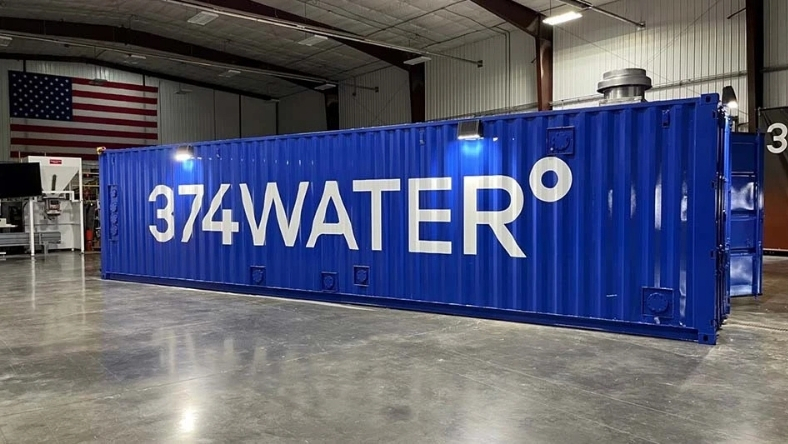
Technology developers such as 374Water report increased enquiries from utilities, manufacturers and other groups assessing future destruction methods. Analysts say it is too early to link this interest to clear shifts in investment or acquisitions, though long-term planning is already influenced by signals from Washington.
For now, sentiment across the sector remains cautious but optimistic. Many expect the proposal to broaden attention on advanced treatment tools and prompt updates to long-standing practices. As the EPA reviews public comments, companies are preparing for a rulebook that could change in the years ahead.