- INSIGHTS
- 2 Feb 2026
PFAS Crackdown Fuels Waste Services Boom, Local Pushback
EPA’s PFAS push is driving growth for firms like Clean Earth, while local permitting fights expose friction in the race to meet tighter compliance demands
A wave of new rules aimed at so-called forever chemicals is reshaping the U.S. waste and environmental services industry. As scrutiny of PFAS tightens, companies are being pushed to expand capabilities, sharpen operations, and rethink how they grow. Early movers are finding opportunity. Laggards risk falling behind.
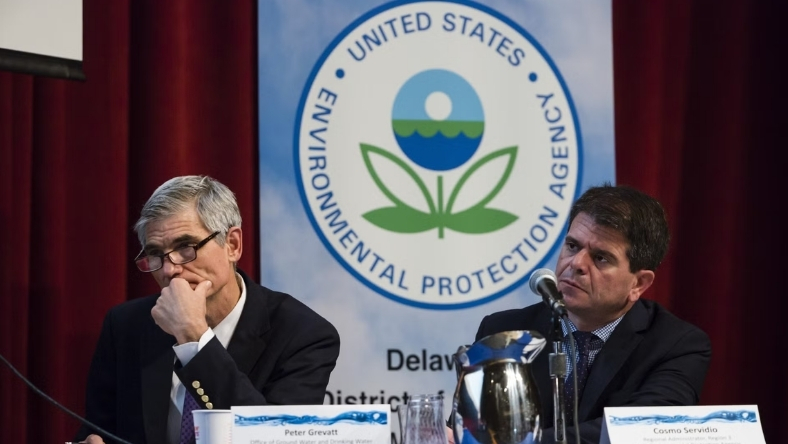
At the federal level, the EPA is pressing ahead with its PFAS roadmap, rolling out enforceable standards and discharge guidelines. The impact is broad, touching drinking water, wastewater, and cleanup work. States are moving in step, adding their own layers of oversight and accelerating demand for specialized treatment and disposal.
That demand is sending waste services providers into a race to scale infrastructure and present themselves as indispensable compliance partners.
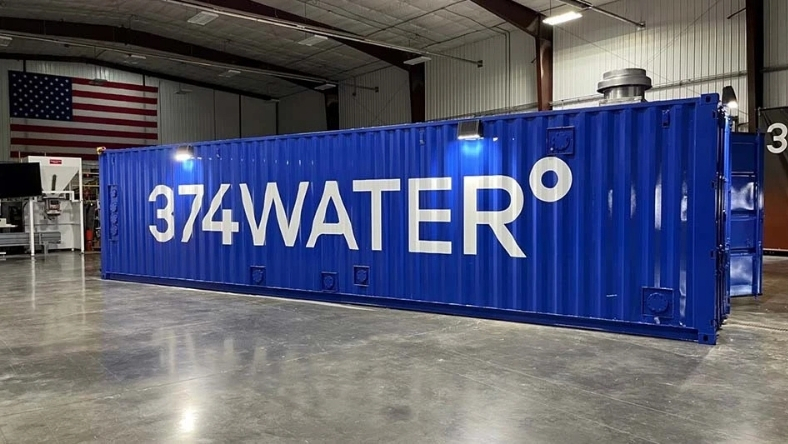
Clean Earth offers a clear example of the shift underway. The company, part of Enviri Corporation, has introduced PFAS focused services, including treatment units designed for contaminated water. The strategy is deliberate. Complex waste streams require deep technical skill, patient capital, and regulatory fluency, all areas where competition is thinner.
Industry watchers see this as a long term change, not a passing cycle. PFAS regulation is settling in as a durable market driver, rewarding firms that invest early and bake compliance into their core business.
Growth, though, has come with friction. In Fort Edward, New York, Clean Earth’s proposal to treat PFAS contaminated soil under a research permit has met resistance from residents and local officials. Zoning questions and environmental concerns have slowed progress.
The episode highlights a central tension in the sector. Federal and state agencies set the policy direction, but local governments control land use and permits. Projects can stall even as regulatory pressure mounts.
Large operators backed by diversified platforms may be better equipped to weather delays, engage communities, and navigate layered approvals. Smaller players could struggle, raising the odds of consolidation as costs climb.
Even so, industry sentiment remains upbeat. Clearer PFAS rules are spurring innovation and reinforcing the role of environmental services. As enforcement tightens, companies that combine technical depth with regulatory agility look set to define the industry’s next chapter.