- INNOVATION
- 9 Jan 2026
On-Site PFAS Destruction Signals a New Era for US Water
As EPA rules tighten, utilities explore on-site PFAS destruction to reduce waste risk, costs, and long-term liability
For years America’s water utilities have played a game of pass-the-parcel with PFAS. Filters and membranes strip the “forever chemicals” from drinking water, only for the tainted waste to be trucked away for storage or destruction elsewhere. That method is now looking like a stopgap.
PFAS face tighter limits and louder public anger. Yet the dominant treatments, granular activated carbon and membrane filtration, do not eliminate the compounds. They merely concentrate them, leaving utilities with barrels of contaminated media and growing exposure to transport mishaps, rising costs and future lawsuits. As rules harden, that model looks fragile.
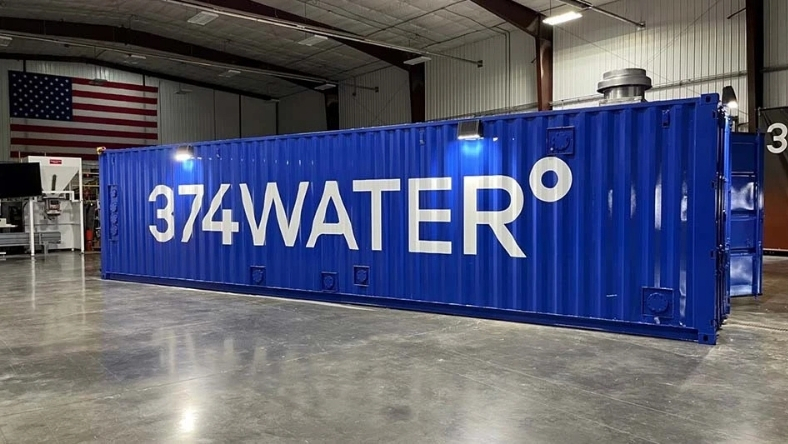
A quieter shift is underway. Some operators are asking whether it makes more sense to destroy PFAS where they are captured. New systems aim to do just that, breaking down the chemicals during treatment rather than exporting them. Among the approaches being tested are advanced oxidation processes, including pilots and early deployments at municipal and industrial sites using systems developed by Invicta Water.
The attraction is plain. On-site destruction could sharply reduce disposal volumes and cut the long-term risks tied to hauling hazardous waste around the country. For investors in water infrastructure, it could also change the risk profile of compliance just as deadlines loom. “This is about changing the end game,” one industry observer said.
Doubts remain. Consultants are being asked to scrutinise these technologies, focusing on what is left behind. Regulators and utilities want proof that destruction does not simply turn PFAS into other, harder-to-detect chemicals. By-products and residuals matter as much as removal rates.
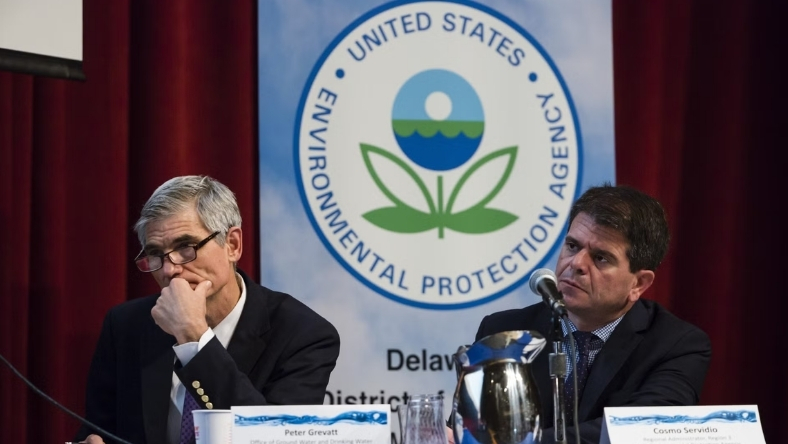
That caution fits the regulatory mood. In April 2024 the Environmental Protection Agency issued updated interim guidance on PFAS destruction and disposal, setting out what is known, what is uncertain and how emerging technologies should be judged. The message was not hostile, but it was careful.
There are other hurdles. Costs are still unclear, as is performance across different water chemistries. Scaling up from pilots to full plants will test both economics and reliability. Some utilities may still prefer the familiarity of capture and haul.
Even so, the direction of travel is evident. Containment alone looks like an increasingly awkward answer to a permanent problem. If on-site destruction proves safe and affordable, today’s experiments could become tomorrow’s norm and finally bring the PFAS parcel game to an end.