- INNOVATION
- 21 Mar 2025
Navy Unleashes PFAS-Killing Tech
Pilot project with 374Water's AirSCWO system achieves near-total elimination of PFAS from contaminated groundwater.
The US Navy has successfully tested a new treatment system that fully destroys PFAS, so-called "forever chemicals", in contaminated groundwater, marking a potential shift in clean-up strategies for the military and other sectors.
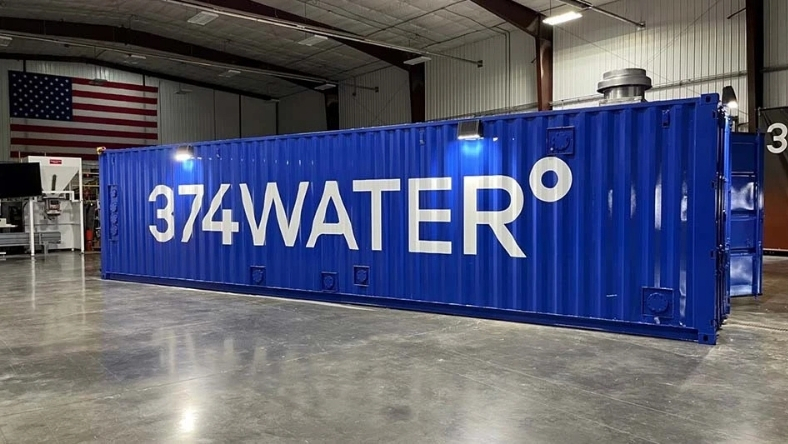
In a recent pilot project, the Navy used AirSCWO, a system developed by North Carolina-based 374Water, to treat groundwater polluted by light non-aqueous phase liquids (LNAPLS). The process uses high heat, pressure and oxygen to break down PFAS molecules, converting them into harmless byproducts such as water and carbon dioxide.
PFAS compounds, widely used in firefighting foams and industrial materials, are highly resistant to natural degradation, often accumulating in human and environmental systems. Traditional methods typically capture PFAS in filters, which then require specialised disposal.
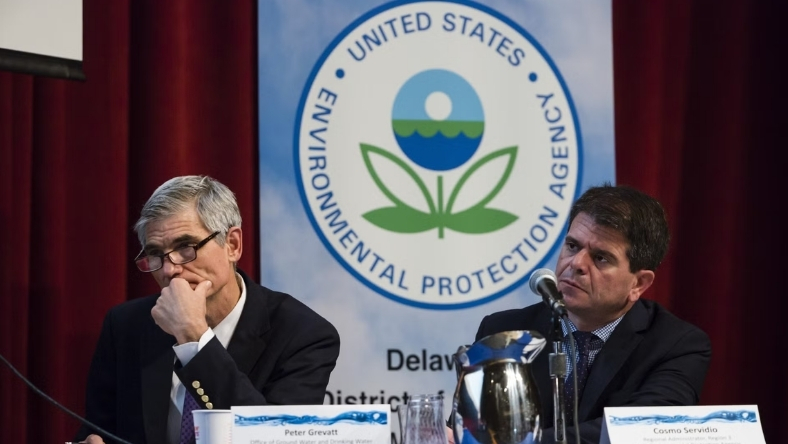
The Navy's pilot achieved complete removal of detectable PFAS and over 99.9 per cent reduction in chemical oxygen demand, outperforming recent Environmental Protection Agency standards limiting PFAS in drinking water to four parts per trillion.
"This successful destruction demonstration underscores the versatility and robustness of our AirSCWO technology to treat PFAS within the complex matrix of NAPL," said Chris Gannon, chief executive of 374Water.
The Department of Defense faces significant liabilities related to PFAS contamination at military installations. AirSCWO offers additional advantages, including portability and scalability, which could allow faster deployment at sites with diverse contamination profiles.
Regulators have introduced tighter limits on PFAS emissions, increasing demand for effective treatment technologies. Environmental analysts expect the Navy's trial to encourage more public-private partnerships and increased investment in full-scale PFAS destruction solutions.
Challenges remain around costs, energy consumption and integration with existing treatment infrastructure. However, the Navy's pilot suggests that permanent remediation of PFAS contamination could soon become more widely feasible.