- MARKET TRENDS
- 11 Dec 2025
Inside the Water Sector’s Push for PFAS Solutions
Utilities race to meet new limits as big firms scale treatment tools and early destruction tech gains traction
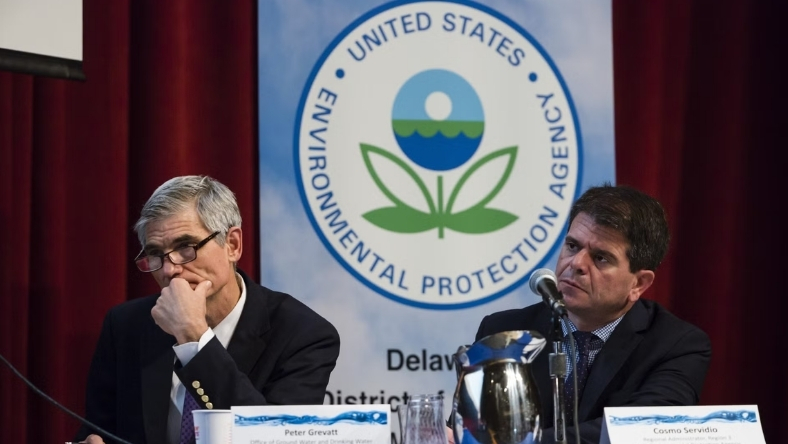
Pressure to confront PFAS contamination has hit a new pitch in the United States. Water utilities are now working under the Environmental Protection Agency’s 2024 limits for PFOA and PFOS, and the rush to comply is reshaping the market for treatment and monitoring tools. Most systems still lean on carbon or ion exchange to trap these chemicals, yet interest is rising in technologies that can break PFAS apart rather than simply hold them.
Major industry players are moving fast. Xylem has expanded its treatment lineup as utilities boost their use of carbon and resin systems in response to the federal rules. Veolia is rolling out municipal installations built around modular units that can land quickly in states racing to meet deadlines. Jacobs is drawing on its digital analytics and monitoring work, especially through advisory roles in Department of Defense projects viewed as some of the nation’s most far reaching cleanup efforts.
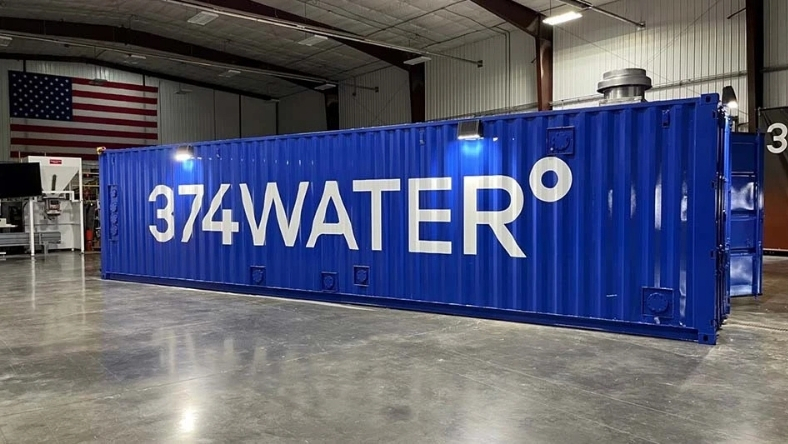
Partnerships with emerging tech developers are also surfacing, though many remain locked in pilot testing. Municipal trials of plasma driven destruction systems and supercritical water oxidation are in motion, but both are being judged on energy demand, cost, and their ability to hold up over time.
Regulation still calls the shots. States such as Michigan and Colorado have set their own PFAS limits, prompting utilities to secure treatment capacity sooner instead of later. Federal dollars from the Bipartisan Infrastructure Law are helping water systems fold PFAS work into broader modernization plans.
Challenges persist, from operating costs to the unknowns of new chemistry. Even so, sector leaders expect a steady climb in activity as communities push for lasting protection and clearer rules. The next few years will likely bring more pilots, more data, and measured progress toward technologies that move beyond capture to true chemical destruction, a shift that could reshape PFAS strategy across the country.