- TECHNOLOGY
- 4 Feb 2026
Inside the Smarter Phase of PFAS Cleanup
Digital tools are beginning to guide PFAS cleanup decisions, helping balance risk, cost, and technology as destruction methods mature
The effort to remove PFAS, known as “forever chemicals”, from water and soil in the US is entering a more complex phase, as digital tools begin to influence how cleanup strategies are chosen alongside advances in treatment technology.
Progress in the sector has long focused on chemistry. Over the past year, methods such as supercritical water oxidation and plasma-based destruction have moved from pilot projects into early commercial use. Regulatory scrutiny and public concern continue to intensify, but these technologies remain expensive and technically demanding, limiting how widely they can be deployed.
As a result, attention is shifting towards decision-making. Machine learning and other data-driven tools are being tested to support PFAS monitoring and remediation planning. Rather than replacing site investigations, these models aim to combine laboratory results, historical data and groundwater behaviour to give a clearer picture of contamination and its likely spread.
Developers say the objective is to improve early-stage decisions, reduce uncertainty and avoid building treatment systems that are larger or more complex than necessary. PFAS projects have often been delayed or overdesigned because of incomplete or fragmented information.
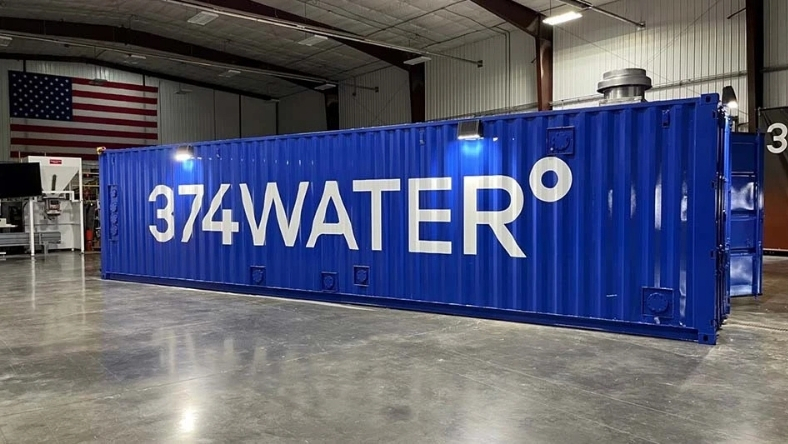
This digital experimentation is unfolding as the sector consolidates and collaborates. Companies including 374Water and Revive Environmental are involved in US Department of Defense funded demonstration and deployment projects, as well as industry partnerships, signalling growing confidence that advanced destruction technologies are nearing broader readiness. Analysts say better integration of data could help speed adoption by clarifying risks that have previously slowed projects.
Public funding and defence-related programmes are playing a central role in testing both new treatment methods and digital planning approaches. In these settings, cost control and accountability are critical, and improved forecasting could help agencies judge when advanced destruction is justified and when simpler methods may be sufficient.
Challenges remain. Data gaps persist for newer PFAS compounds, and regulators are cautious about relying on predictive models. Formal use of such tools in approvals and oversight remains limited.
Even so, as treatment technologies mature, digital tools are increasingly seen as a necessary complement. For policymakers, investors and technology providers, PFAS cleanup is becoming not only a question of how to destroy contaminants, but how to make better, data-informed choices about when and where to do so.