- MARKET TRENDS
- 20 Jun 2025
Inside the High-Stakes War on Toxic Tap Water
Tougher EPA standards drive $10bn investment wave in water technology from groups including Calgon, Aquagga and Xylem.
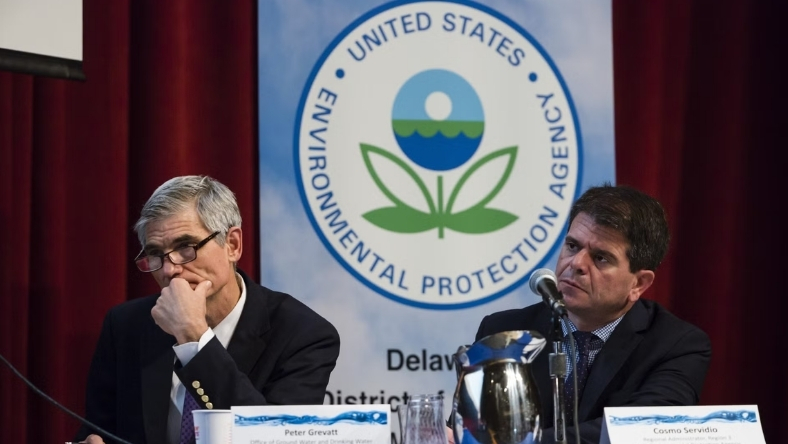
US water treatment companies are accelerating technological innovation in response to new federal limits on toxic PFAS chemicals, as regulators seek to tighten drinking water standards nationwide. The Environmental Protection Agency's rules, backed by more than $10bn in federal funding, are driving both established players and start-ups to develop more scalable and effective solutions.
Calgon Carbon, a subsidiary of Japan's Kuraray Group, is expanding its production of activated carbon systems, securing contracts with multiple US utilities. "The urgency is real," said an executive involved in the rollout. "Regulators and residents alike are demanding solutions that can scale now."
Smaller companies are also moving quickly to capitalise on the shift. Aquagga, a technology start-up, has developed a method to destroy rather than capture PFAS, addressing a long-standing industry challenge. The company, supported by federal grants and private investment, is moving from pilot programmes to commercial deployment.
Xylem, a US-based water technology group, is introducing modular PFAS treatment systems equipped with real-time monitoring, aiming to serve municipalities and industrial clients. Its systems provide adaptive performance as contamination levels change, offering utilities greater flexibility.
Despite the momentum, high operational costs and fragmented infrastructure present obstacles, particularly in smaller and rural communities. Regulatory uncertainty in some states also adds to the complexity.
However, industry analysts expect continued growth in the sector, with innovation viewed as key to regulatory compliance and market leadership. Companies able to deliver permanent PFAS removal at scale are expected to gain significant advantage in the evolving market.
The EPA's action marks a broader shift in water treatment strategy, combining scientific advances with historic levels of public investment. Sector participants predict a sustained transformation in drinking water quality, as demand rises for more resilient and sustainable systems.