- PARTNERSHIPS
- 13 Jan 2026
Alliance Bets on Reusable Carbon as PFAS Deadlines Near
A new partnership pitches regenerated carbon as a practical way for utilities to meet EPA PFAS rules without ballooning costs
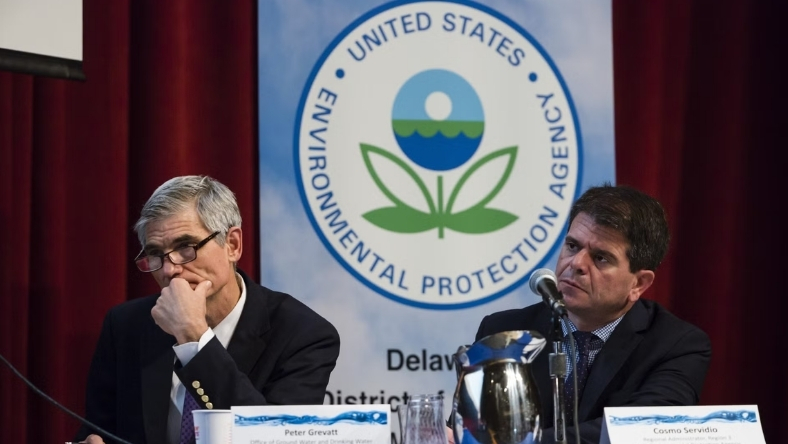
The fight against PFAS contamination in drinking water is moving from planning to execution, after the US Environmental Protection Agency finalised national standards in April 2024 and set a 2029 compliance deadline for utilities.
That shift is shaping new commercial approaches as water providers look for ways to meet the rules without straining budgets or operations. One such effort is a partnership between Sentinel Water Solutions and DESOTEC, which argues that removing PFAS is only part of the challenge. Managing what happens after treatment, they say, is equally important.
Activated carbon is among the most common tools used to capture PFAS. It is effective and widely deployed, but once saturated it must be replaced and disposed of, adding cost and generating waste. As treatment systems expand, those costs can rise quickly.
Under the agreement, Sentinel oversees PFAS treatment operations and logistics for utilities, while DESOTEC regenerates spent activated carbon and returns it for reuse. The companies describe the closed-loop model as a way to reduce material turnover and make long-term compliance planning more predictable.
Industry analysts say the approach reflects a broader shift in the PFAS treatment market. With infrastructure investments planned over decades, utilities are increasingly focused on lifecycle economics rather than upfront performance alone. Service-based models that combine treatment, handling and regeneration are gaining attention as a result.
The timing is sensitive. As utilities move from site assessments to construction, demand for PFAS treatment systems is expected to rise sharply. Some estimates point to a surge in installations over the next five years, raising concerns about supply bottlenecks and price volatility. Reusing activated carbon could help ease some of that pressure, although the level of savings will depend on system size and operating conditions.
The strategy faces challenges. Expanding regeneration capacity across the US will require investment, and regulators are likely to scrutinise performance data as compliance deadlines approach. At the same time, technologies designed to destroy PFAS rather than capture them continue to attract interest.
Even so, the Sentinel and DESOTEC partnership highlights a pragmatic response to the EPA mandate. As deadlines draw closer, utilities are testing lifecycle-focused solutions in an effort to protect public health without committing to unsustainable long-term costs.