- REGULATORY
- 20 Nov 2025
Defense Department Trials Spark New Hope for PFAS Cleanup
Clean Earth, Arcadis, and 374Water drive federal PFAS destruction trials, signaling faster adoption and urging companies to prepare for stricter standards
A quiet shift is under way in America’s environmental world. After years of trying mainly to trap and store PFAS, the Defence Department is testing systems that aim to break apart chemicals long deemed almost indestructible. A programme that began as a narrow federal effort is now shaping how firms think about liability and long-term treatment.
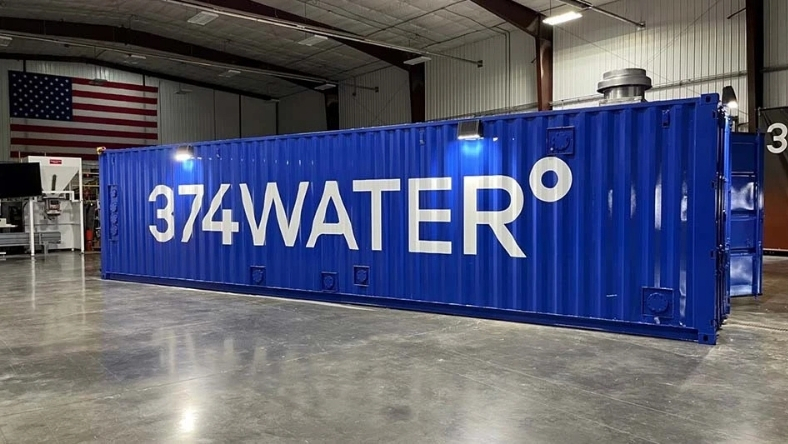
At the centre is a collaboration between Clean Earth, Arcadis and 374Water. Their systems are being tested on real waste streams to show that full destruction is both possible and commercially realistic. Early signs look good, though full data are still pending. Interest from operators and regulators is growing. One project coordinator said the industry had been waiting for a workable destruction method, and that these trials are the closest it has come.
The work supports a broader Defence Innovation Unit push to validate technologies that can meet rising regulatory demands. For years PFAS waste was gathered and shipped elsewhere. That approach looks less viable as scrutiny and liability grow. Field trials that show true destruction could set a benchmark that private firms may soon have to match.
Clean Earth is hosting a high-profile demonstration at its Detroit site, where the system processed about 900 gallons of PFAS-laden waste across some 80 hours. It marks progress, even if it is not yet continuous commercial use. Arcadis is validating data, while 374Water is running some of its most ambitious tests. Analysts say the partnership shows how cross-sector efforts often push new technologies into the market.
Plenty of challenges remain, from energy needs and reliability to proof across a wider mix of waste. Full results, including cost models and destruction rates, are expected in early 2026. Yet optimism is rising as early findings exceed expectations. One analyst remarked that destruction is shifting “from concept to practice”.
If the technology keeps delivering, it may reset national cleanup standards and force companies to adjust or be left behind. With tighter rules and rising public pressure, the race for true elimination is accelerating-and could become one of the decade’s notable environmental advances.